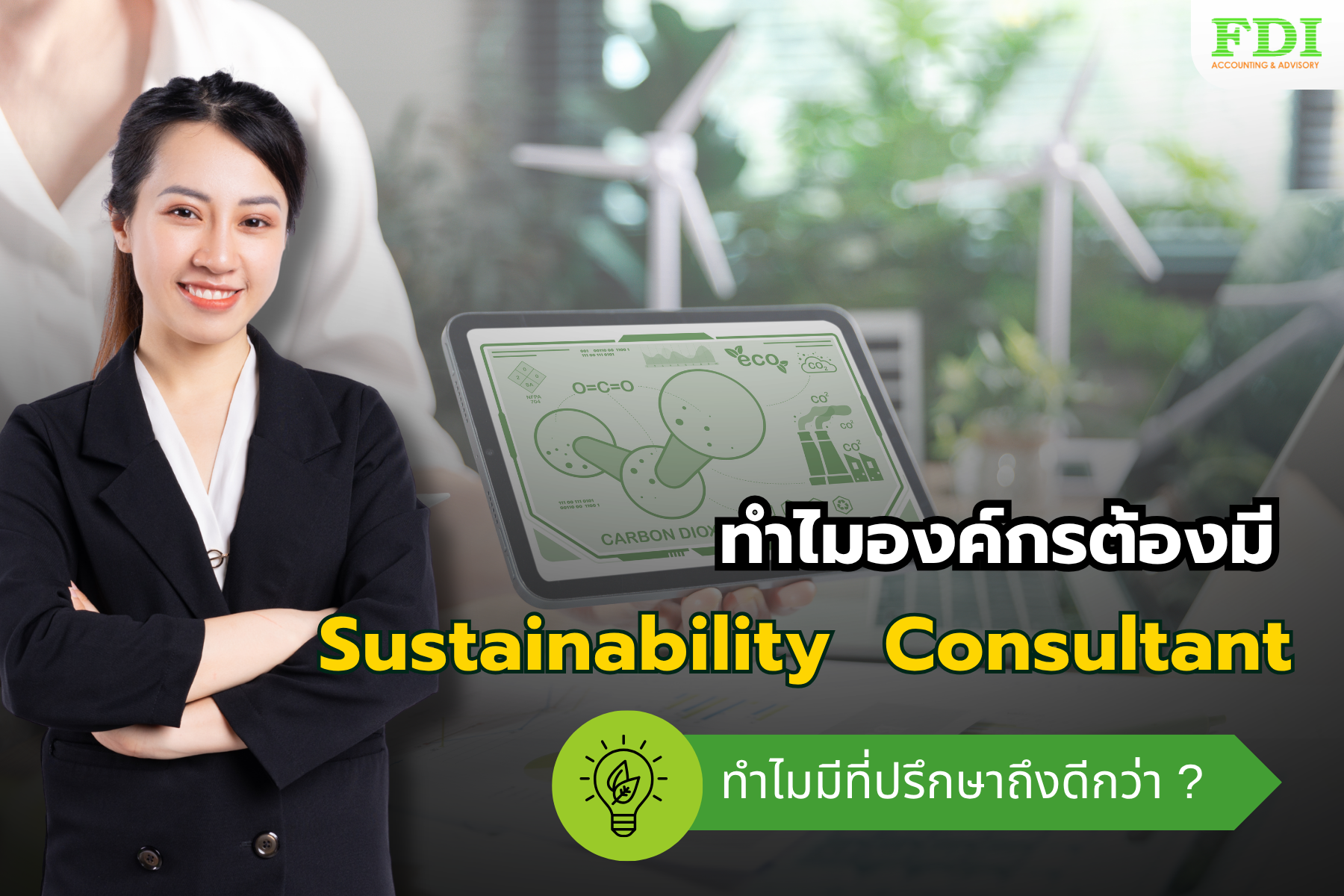
In an era of increasingly intense global warming, all living beings on Earth are being affected, leading to more extreme weather events and natural disasters such as massive storms, prolonged droughts, and heatwaves.These problems are a direct result of climate change, which is becoming a global crisis that can no longer be ignored.In response, the concepts of “Carbon Neutral”and “Net Zero Emissions” have emerged as critical goals for the future of our planet. Governments, private sectors, international organizations, and even Thailand are intensifying efforts each year to implement environmental actions more rigorously. This article will help readers understand the differences between Carbon Neutral and Net Zero Emissions, and why taking action under these policies is essential for the future of our world.
Understanding the Difference Between Carbon Neutral and Net Zero Emissions
“Carbon neutrality” refers to a state in which the amount of carbon dioxide (CO₂) emitted into the atmosphere is equal to the amount of carbon absorbed back, for example through reforestation or other methods. Achieving Carbon Neutral can be done at the individual, organizational, or national level, using the approach of “reduce” and “offset” (lower & offset). Reduce (Lower): Efforts to reduce greenhouse gas emissions can start by reviewing all relevant processes to identify ways to manage or eliminate unnecessary activities, using cleaner production and waste management technologies, or adopting alternative clean energy sources such as wind or solar power. Offset: If emissions still occur despite reduction efforts, they can be compensated or offset by activities that remove carbon elsewhere, such as planting trees, investing in renewable energy, or purchasing carbon credits, to bring the net emissions to zero.
“ Net zero emissions” refers to a state in which the amount of greenhouse gases emitted is balanced by the amount removed from the atmosphere. In simpler terms, whatever is released must be fully absorbed, resulting in a net total of zero. In this balanced state, greenhouse gas levels in the atmosphere do not increase. If all countries worldwide can achieve net zero emissions, it means we can stop excess greenhouse gas emissions that contribute to global warming.
.The Puey Ungphakorn Institute for Economic Research has provided an interesting insight that net zero emissions is similar to carbon neutrality but broader than just carbon emissions. It considers all greenhouse gases that contribute to global temperature rise, with the three main gases being CO₂, CH₄, and N₂O. This shows that carbon neutrality is a starting point toward achieving net zero emissions. Additionally, net zero emissions is usually set as a national-level target, or, for organizational targets according to agreed definitions, it requires achieving net zero across the entire production value chain, from upstream to downstream.

FAQ: Frequently Asked Questions
1.What risks do businesses face if they do not take environmental action?
Key risks include:
- Stricter carbon regulations
- Rising energy costs and future carbon taxes.
- Loss of business and investment opportunities.
2.By which year has Thailand set its Net Zero target?
Thailand has announced its target to achieve Carbon Neutrality by 2050 and Net Zero Emissions by 2065, aligning with the global direction of climate cooperation.
3.Should businesses start with Carbon Neutral or Net Zero first?
Businesses can start with Carbon Neutral to learn how to measure and manage carbon, and then plan long-term toward Net Zero, which requires serious adjustments to production processes, energy use, and supply chains.
4.How are individuals involved in Net Zero?
Although Net Zero may seem like a goal for countries or large organizations, individual behaviors—such as energy use, transportation choices, diet, and waste management—affect overall greenhouse gas emissions and are therefore an important part of achieving Net Zero.
Stay updated with knowledge and news by visiting www.fdi.co.th to never miss any information or updates.

Contact Us
- Facebook : FDI Group – Business Consulting
- @fdigroup
- Phone : 02-642-6866, 02-642-6869, 02-642-6895
- E-mail : infojob@fdi.co.th
- Website : www.fdi.co.th
รายงานความยั่งยืน คืออะไร? คู่มือขั้นตอน และวิธีจัดทำอย่างมืออาชีพ

รายงานความยั่งยืน คืออะไร? ทำไมธุรกิจยุคใหม่ไม่อาจมองข้าม...
Read More